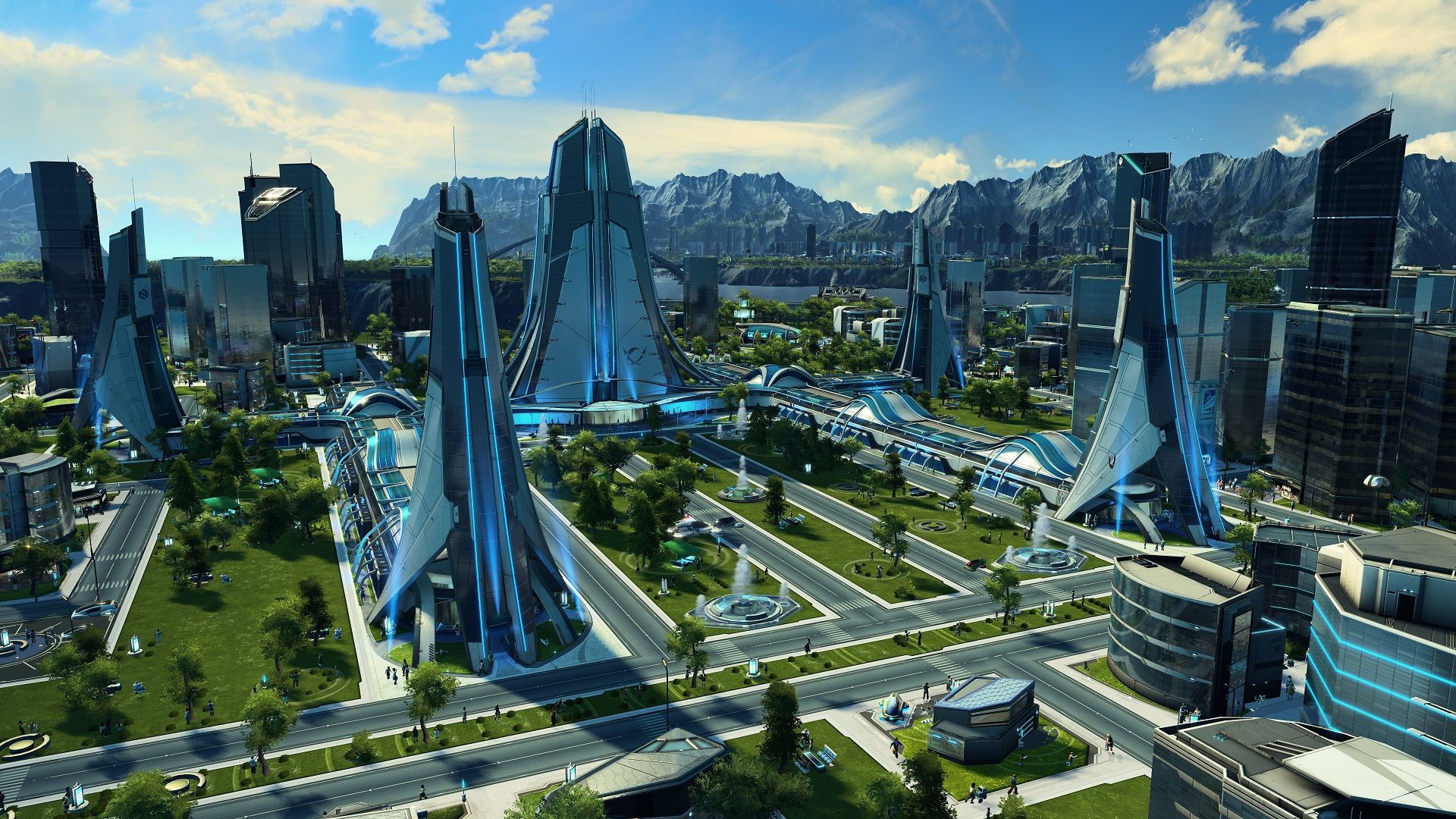
Building a city from the ground up is more than just placing roads and zoning districts—it’s an exercise in foresight, balance, and creative problem-solving. The best PC city building games turn urban planning into an art form, where traffic flow matters as much as skyline aesthetics, and one wrong policy can trigger a cascade of citizen complaints. Whether you’re a SimCity veteran or new to the genre, the right game can offer both deep mechanics and emotional payoff when your metropolis finally thrives.
These games demand more than just clicking and dragging. They require you to weigh environmental impact against economic growth, manage public services under budget constraints, and adapt to disasters—natural or political. The most rewarding entries in the genre blend simulation depth with intuitive design, letting players feel the weight of every decision.
Below are the standout city building games on PC that define the genre in 2024 and beyond.
Cities: Skylines – The Modern Benchmark
When Cities: Skylines launched, it filled the void left by a stagnating SimCity series. Developed by Colossal Order and published by Paradox Interactive, it quickly set a new standard for urban simulation.
Why it stands out: - Deep traffic AI that makes road hierarchy critical - Mod support via Steam Workshop transforms gameplay - Realistic public transit planning with buses, metros, and monorails - District-specific policies and unique buildings
Practical tip: New players often fail by over-zoning residential areas too early. Focus on balanced zoning and utilities first. Use the "Traffic" view to identify congestion points before expanding.
Limitation: The game struggles with very large cities due to performance issues, though the sequel aims to fix this.
Despite its age, Cities: Skylines remains a pillar of the genre, especially with expansions like Industries and Campus adding niche management layers.
Cities: Skylines II – Scaling Ambition
The sequel builds on its predecessor with a promise of true scalability—cities that grow into tens of millions without breaking the simulation.
Key improvements: - Agent-based systems: Every citizen, vehicle, and item has individual logic - Dynamic economy driven by supply chains and consumer behavior - Enhanced disaster and emergency response mechanics - Improved graphics and water simulation
Realistic use case: In Cities: Skylines II, a factory doesn’t just produce goods—it sources raw materials, ships products via realistic logistics, and affects local employment. Shut down a key freight route, and unemployment spikes.
But it’s not flawless: - Launch performance was rocky, with optimization issues still being addressed - Mod support arrived late, limiting early customization - Some UI elements remain unintuitive
For players seeking a living, breathing city where cause and effect are tightly linked, the sequel delivers—but patience is required.
Surviving the Aftermath – Post-Apocalyptic City Survival
This title flips the script. Instead of starting fresh, you rebuild civilization after a global catastrophe.
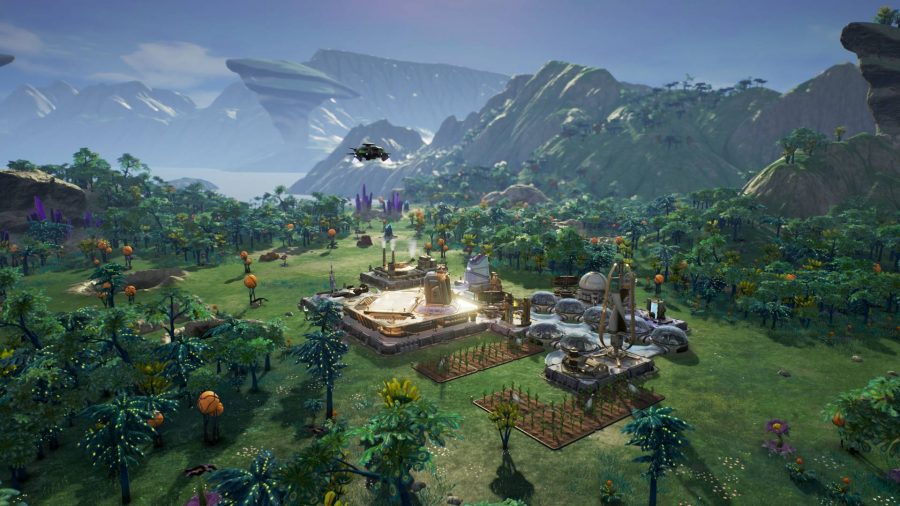
Core gameplay loop: - Manage survivors with individual needs and skills - Protect against environmental threats: cold waves, radiation, dust storms - Research tech to unlock better shelters, power, and food production - Balance hope and fear to prevent riots
Common mistake: New players overextend by building too many homes before securing food and power. A single famine can wipe out morale—and your city.
What makes Surviving the Aftermath unique is its emphasis on risk. Unlike traditional city builders, failure is expected. You’re not building perfection—you’re surviving collapse.
It’s ideal for players who enjoy tension and resource scarcity over utopian planning.
Banished – Simplicity with Depth
Banished strips away the chrome of modern city builders. No roads, no zoning tools—just settlers carving life from the wilderness.
Why it resonates: - Focus on sustainability: over-hunting depletes game, over-farming ruins soil - Population growth is tied to housing, food, and lifespan - No military or combat—survival hinges on logistics and planning
Workflow insight: Seasonal cycles matter. Stockpile food in summer to survive long winters. Build schools early to boost literacy, which improves job efficiency.
Despite its minimal visuals, Banished offers one of the purest survival-city-building hybrids. It teaches resource respect the hard way—through starvation and collapse.
It’s not flashy, but it’s unforgettable.
A Few Words on SimCity (2013) – A Cautionary Tale
The 2013 reboot of SimCity promised innovation with the “GlassBox” engine—agent-based simulation and interconnected cities. But it launched with always-online DRM and tiny city plots.
What went wrong: - Cities capped at 2 km², limiting growth - Online servers crashed at launch - Agent AI often broke (e.g., “faceless citizens”)
Despite later patches and offline mode, the damage was done. However, the core mechanics—like the detailed power and water systems—were solid. For players who can overlook its flaws, it remains a technical curiosity.

But as a recommendation? Stick with Cities: Skylines unless you’re a completionist.
Top 5 Best PC City Building Games – Ranked
| Game | Strengths | Best For |
|---|---|---|
| Cities: Skylines | Deep simulation, mod support, stable | Players wanting full creative control |
| Cities: Skylines II | Scalable cities, realistic economy | Tech-savvy planners and long-term players |
| Surviving the Aftermath | Survival tension, risk management | Fans of post-apocalyptic strategy |
| Banished | Minimalist, resource-focused | Players who love consequence-driven gameplay |
| Tropico 6 | Satirical politics, island management | Those who enjoy leadership roleplay |
Note: Tropico 6 earns a spot for its blend of city building and political satire. You’re not just a mayor—you’re a dictator managing foreign relations, rebellions, and banana exports.
What to Look for in a City Building Game
Not all city builders are created equal. Before diving in, consider:
- Simulation depth: Does traffic, economy, or pollution feel reactive?
- Disaster systems: Can you plan for emergencies, or are they just scripted events?
- Mod support: Can you extend gameplay with custom assets or tools?
- Learning curve: Is the UI intuitive, or does it assume prior knowledge?
- Long-term engagement: Are there goals beyond “build big”?
Games like Cities: Skylines shine because they answer “yes” to all five.
Avoid titles that prioritize visuals over mechanics. A beautiful city with broken traffic AI is frustrating, not fun.
Common Pitfalls (And How to Avoid Them)
Even seasoned players stumble. Here’s how to stay on track:
- Over-zoning too early: Leads to abandoned buildings and tax shortfalls. Zone incrementally.
- Ignoring transit: Cars will clog streets. Invest in buses or metros early.
- Neglecting education: Uneducated workers can’t fill high-level jobs, stunting economic growth.
- Failing to save often: Disasters or policy failures can ruin hours of progress. Use multiple save slots.
- Skipping mods in Skylines: The Workshop adds essential tools like Traffic Manager and Realistic Population.
Treat your city like a living system—not a static diorama.
The Verdict: Which Game Should You Play?
- For realism and depth: Cities: Skylines (or II if optimized for your setup)
- For survival tension: Surviving the Aftermath
- For minimalist philosophy: Banished
- For fun and satire: Tropico 6
If you’re new, start with Cities: Skylines. Its community guides, tutorials, and mods make onboarding smoother than any other in the genre.
For those craving innovation, Cities: Skylines II offers the most ambitious vision—just wait for full mod support and patches if stability is a priority.
FAQ
What is the most realistic city building game? Cities: Skylines II currently leads in simulation realism, with individual agents for citizens, goods, and services.
Is Cities: Skylines still worth playing? Absolutely. It’s stable, fully featured, and supported by thousands of mods. Many prefer it over the sequel for its polish.
Can I play city building games offline? Yes, most—including Cities: Skylines, Banished, and Surviving the Aftermath—run completely offline.
Do these games require a powerful PC? Cities: Skylines II and large Skylines cities need a strong CPU and GPU. Banished and older titles run on modest hardware.
Are there city builders with multiplayer? Most are single-player. Cities: Skylines II has no multiplayer either. The genre focuses on solo planning and management.
What’s a good free city building game? Polygon City Builder (browser-based) or SimCity BuildIt (mobile) exist, but they lack depth. No true free equivalent to premium titles.
How do mods enhance city building games? They add realistic population scaling, improved traffic AI, custom buildings, and quality-of-life tools—essential for long-term play.
FAQ
What should you look for in Best PC City Building Games That Redefine Urban Design? Focus on relevance, practical value, and how well the solution matches real user intent.
Is Best PC City Building Games That Redefine Urban Design suitable for beginners? That depends on the workflow, but a clear step-by-step approach usually makes it easier to start.
How do you compare options around Best PC City Building Games That Redefine Urban Design? Compare features, trust signals, limitations, pricing, and ease of implementation.
What mistakes should you avoid? Avoid generic choices, weak validation, and decisions based only on marketing claims.
What is the next best step? Shortlist the most relevant options, validate them quickly, and refine from real-world results.