Samuel Monroe Jr., best known for his chilling role as a real-life Crip in the 1993 cult classic Menace II Society, is reportedly on life support following a sudden and severe health crisis. The news has sent shockwaves through both the film community and the streets of South Central Los Angeles, where Monroe’s image remains iconic.
At the center of this latest chapter: a man whose life has straddled the line between fiction and harsh reality. Monroe wasn’t merely an actor—he was authenticity personified in a film that exposed the brutal truths of inner-city violence. Now, in what feels like a cruel echo of the film's narrative, Monroe himself is fighting for survival in a Los Angeles hospital.
Sources close to the situation confirm Monroe was rushed to the ICU after suffering a medical event—details of which remain under wraps—though speculation about underlying health conditions, compounded by past trauma and lifestyle factors, is mounting. There has been no official statement from hospital staff or family, but insiders suggest his condition is critical.
This is not Monroe’s first brush with life-threatening adversity. His journey—from gang affiliation to cinematic notoriety to sporadic public appearances—has been marked by turbulence. The latest development adds another layer to a story that, much like the film that launched him, feels tragically inevitable to some who’ve followed his path.
From South Central to Silver Screen: The Rise of Samuel Monroe Jr
Monroe’s casting in Menace II Society wasn’t the result of an audition. It was a casting decision rooted in lived experience. Directed by the Hughes Brothers, the film sought raw realism, and Monroe—already known in Watts for his association with the Fruit Town Piru Bloods—was brought in to play “Samuel,” a cold-blooded killer who executes a Korean shopkeeper in one of the most harrowing opening scenes in American cinema.
The role was fictionalized, but Monroe’s background was not. His presence on screen wasn’t method acting—it was reality, unfiltered. Unlike trained actors, Monroe didn’t need to study mannerisms or posture. He lived them.
The film became a landmark in urban storytelling, praised for its unflinching look at systemic failure, poverty, and the cycle of violence. Monroe’s performance, though brief, was unforgettable. His character represented the cold finality of a life without escape—a fate the film suggests many young Black men face in marginalized communities.
But while the film reached millions, Monroe’s path post-release diverged sharply from the Hollywood trajectory. He didn’t become a star. He didn’t land follow-up roles. Instead, he faded back into the landscape that shaped him.
Life After the Camera: The Silence That Followed
What happened to Samuel Monroe Jr. after Menace II Society? For years, that question lingered without a clear answer.
Unlike his co-stars—Tyrin Turner, Larenz Tate, or Vonte Sweet—Monroe never pursued a career in entertainment. There were no talk show appearances, no interviews, no social media presence. He vanished, not in the dramatic sense, but in the quiet way many do after brief encounters with fame.
Occasional sightings in South Central surfaced over the years. Some claimed he worked odd jobs. Others said he stayed connected to the streets. A few reports suggest he tried to mentor youth, using his story as a cautionary tale.
But the absence of verified information created a vacuum—one filled with rumor and myth. Was he avoiding the spotlight? Was he in legal trouble? Was he trying to leave his past behind?

Now, with news of his hospitalization, those questions resurface with urgency. The silence that once felt like privacy now reads like erasure.
In a 2016 interview, Allen Hughes acknowledged Monroe’s importance to the film’s authenticity but admitted they’d lost touch. “Samuel was real. Too real. We didn’t know how to protect that,” Hughes said. “You can’t take someone from that world, put them on screen, and expect them to navigate Hollywood.”
The Weight of Authenticity: When Reality Becomes a Role
Monroe’s story raises a recurring ethical dilemma in filmmaking: What responsibility do directors and studios have when casting non-actors from high-risk backgrounds?
Menace II Society wasn’t the first film to do this—Boyz n the Hood featured local extras with real-life gang ties—but it may have been the most unrelenting in its portrayal. The Hughes Brothers prided themselves on realism, but that realism came at a cost.
Monroe played a killer. But was he forever seen as one?
There’s evidence that typecasting in street films can reinforce real-world identity. In neighborhoods where respect is currency, appearing in a film as a gang member can solidify a reputation—often making it harder to leave that life behind.
Monroe didn’t have a publicist. He didn’t have a manager. He didn’t have a brand. He had a moment—and then he had to live with it.
Compare this to actors like Michael K. Williams, who leveraged his authentic look into a celebrated career. Or Jeffrey Wright, who transitioned from intense roles to critical acclaim. Monroe had none of the scaffolding.
The film industry often celebrates “realness,” but rarely supports the people who provide it.
The Hidden Toll of Street Life on Health
Monroe’s current condition—being on life support—invites reflection on the long-term health impacts of growing up in environments marked by violence, poverty, and chronic stress.
Research shows that individuals from high-trauma communities face significantly higher risks of:
- Cardiovascular disease
- Hypertension
- Substance dependency
- Mental health disorders
- Reduced life expectancy
These risks are amplified when access to healthcare is limited—and when survival, not wellness, is the priority.
Monroe’s hospitalization may stem from any number of these factors. While the specific medical cause hasn’t been disclosed, sources suggest complications related to long-term health neglect may be a contributing factor.
It’s not uncommon for men like Monroe, who grew up in survival mode, to delay medical care until symptoms become critical. Preventative medicine is often seen as a luxury. Pain is normalized. Weakness is stigmatized.
By the time they seek help, the damage may already be irreversible.
This pattern repeats across communities of color nationwide. And it underscores a deeper societal failure—one that films like Menace II Society expose but rarely resolve.
The Cultural Legacy of Monroe’s Role Still, Monroe’s contribution to film history remains undeniable.
That opening scene—the robbery, the cold-blooded murder, the indifference—set the tone for an entire genre of urban cinema. It influenced everything from Training Day to Straight Outta Compton. Directors still study it for its pacing, brutality, and realism.
But Monroe wasn’t a collaborator in that legacy. He was a subject of it.
In a 2020 documentary on 90s hip-hop cinema, film scholar Dr. Keisha Blain noted, “We celebrate the art, but we ignore the artist—especially when the artist isn’t a traditional performer. Samuel Monroe Jr. gave us truth, but we never gave him safety.”
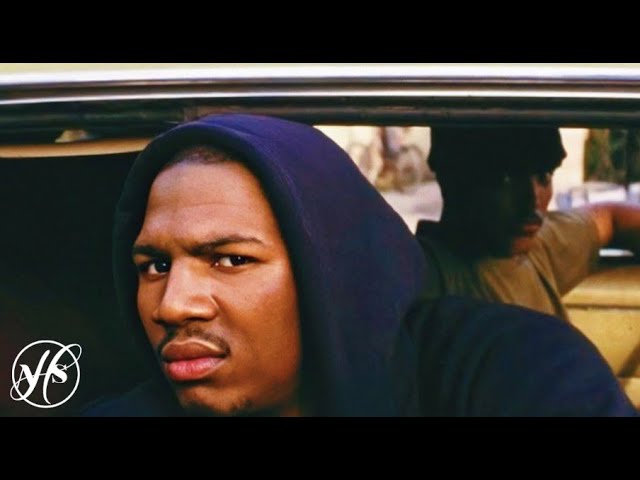
His performance forces audiences to confront uncomfortable questions: How much of his pain was real? How much of his persona was performance? And what happens to someone who becomes a symbol without consent?
Monroe embodies the paradox of authenticity in storytelling: the most genuine contributions often come from those least equipped to handle the aftermath.
What Comes Next for Samuel Monroe Jr?
As of now, Monroe remains in critical condition. Visitation is reportedly restricted. Hospital officials have not released updates. Family members have not spoken publicly.
Fans, former colleagues, and community leaders are calling for privacy—but also for awareness.
GoFundMe-style campaigns have begun to surface, aiming to cover medical costs and support Monroe’s family. However, verification of these efforts is inconsistent, and donors are urged to proceed with caution.
More importantly, Monroe’s situation has reignited discussions about support systems for non-traditional actors—especially those pulled from marginalized communities for their “realness.”
Should studios provide counseling? Financial planning? Long-term healthcare access?
There are no clear answers. But Monroe’s crisis is a stark reminder: authenticity has a human cost.
A Life That Mirrored the Movie Too Closely
Samuel Monroe Jr.’s story is not just a footnote in film history. It’s a reflection of a broader pattern: the exploitation of real trauma for entertainment, with little regard for the people who live it.
He wasn’t hired for his acting skills. He was cast because of his life. And now, that life hangs in the balance.
While Menace II Society warned of a cycle that’s hard to escape, few expected Monroe himself to become one of its longest-running examples.
His current fight on life support isn’t just a medical emergency. It’s a societal one.
If there’s a lesson here, it’s that we need to do better—not just in storytelling, but in stewardship. Casting real people from real pain should come with real support.
Monroe gave audiences something raw and unforgettable. It’s time we give something back.
For those wishing to support, verified channels are still emerging. Until then, honoring his legacy means demanding accountability in how we tell stories—and who we leave behind when the cameras stop rolling.
Frequently Asked Questions
Who is Samuel Monroe Jr.? Samuel Monroe Jr. is a former gang member turned actor, best known for his role in the 1993 film Menace II Society, where he played a Crip involved in a pivotal, violent scene.
Why was Samuel Monroe Jr. cast in Menace II Society? He was cast for authenticity. The Hughes Brothers sought real individuals from South Central LA to bring credibility to the film’s portrayal of street life.
Is Samuel Monroe Jr. still acting? No. After Menace II Society, Monroe did not pursue a career in acting and largely disappeared from public life.
What happened to Samuel Monroe Jr. recently? He was hospitalized and placed on life support following a severe medical event. Details remain limited, and no official statement has been released.
Was Samuel Monroe Jr. a real gang member? Yes. He was affiliated with the Fruit Town Piru Bloods, though he was not a high-ranking figure. His real-life background informed his role in the film.
How has the public reacted to his hospitalization? The news has sparked concern and nostalgia, particularly among fans of the film and those familiar with 90s LA street culture. Some have attempted to organize support efforts.
What impact did Menace II Society have on urban cinema? The film is considered a cornerstone of 90s urban drama, influencing countless movies and TV shows with its gritty realism, social commentary, and unflinching violence.
FAQ
What should you look for in Samuel Monroe Jr Life Support Crisis After Misfortune? Focus on relevance, practical value, and how well the solution matches real user intent.
Is Samuel Monroe Jr Life Support Crisis
After Misfortune suitable for beginners? That depends on the workflow, but a clear step-by-step approach usually makes it easier to start.
How do you compare options around Samuel Monroe Jr Life Support Crisis After Misfortune? Compare features, trust signals, limitations, pricing, and ease of implementation.
What mistakes should you avoid? Avoid generic choices, weak validation, and decisions based only on marketing claims.
What is the next best step? Shortlist the most relevant options, validate them quickly, and refine from real-world results.